
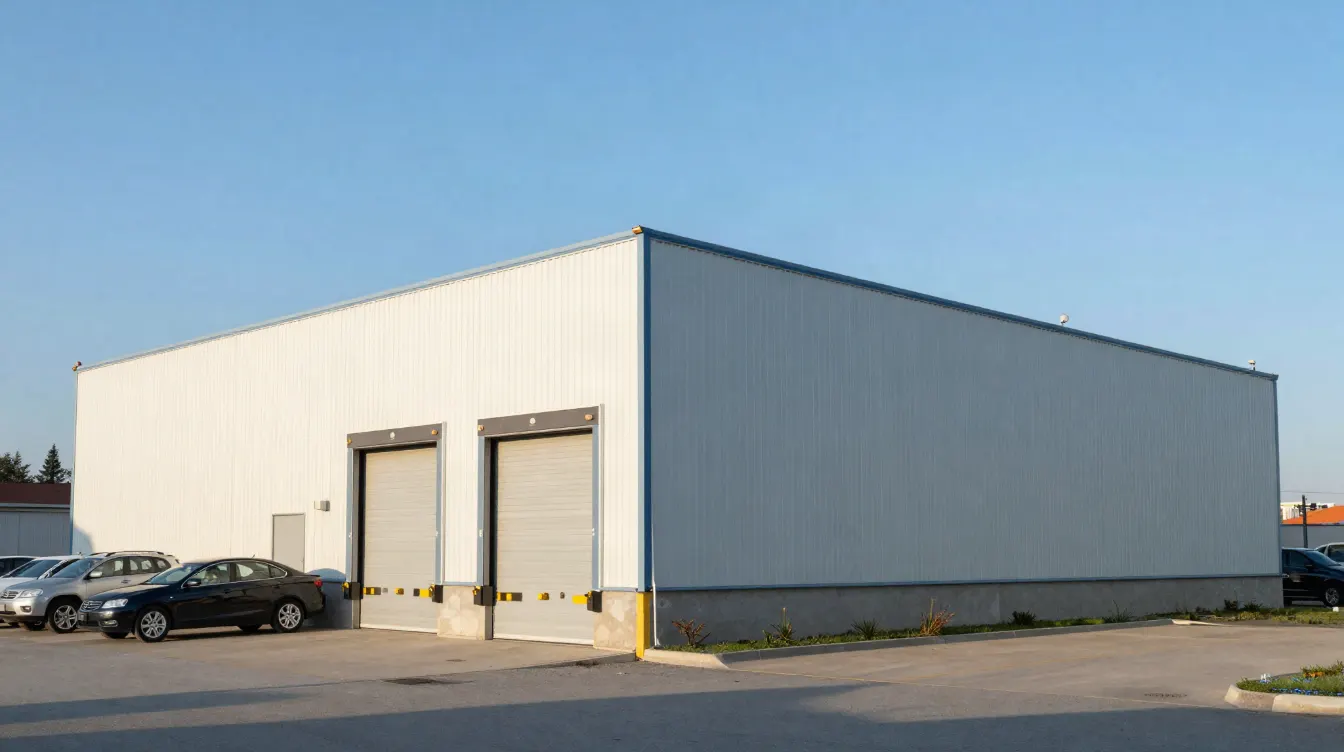
Owner-occupied vs investment property
If your business will use the building, lenders look hard at your business's cash flow. If it's a rental investment, they look at the property's rent roll and leases. Many deals mix both. Tell your lender which it is from the start.
What lenders look at
- Down payment. Usually larger than on a home. The amount depends on the property type and lender.
- Debt service coverage. Whether the property's or business's income covers the payments with room to spare.
- The property. Location, condition, use, environmental history and appraisal.
- You. Credit, experience owning or running property, and other debts.
Amortization vs term
The amortization is how long the payments are sized for. The term is how long the rate and conditions last. A 25-year amortization with a 5-year term means you renew or refinance after 5 years. Test it with the commercial mortgage calculator.
Costs beyond the down payment
- Appraisal and, often, an environmental assessment.
- Legal fees and Ontario land transfer tax (plus Toronto's if the property is in the city).
- HST on some commercial properties. Ask your accountant.
- Lender or broker fees, depending on the lender.
Steps to buy a commercial property
- Get a realistic budget: down payment, closing costs and a reserve.
- Gather business financial statements, tax returns and personal net worth details.
- Talk to lenders before you make an offer.
- Make the offer conditional on financing, inspection and environmental review.
- Order the appraisal and reports the lender needs.
- Close with your lawyer.
Buying a business along with the property? See commercial purchase financing. Building or renovating? See construction loans.
Ready to talk about your file?
Start your applicationQuestions
How much down payment do I need for a commercial property in Ontario?
Usually more than on a home. It varies by property type, lender, and whether you'll occupy it. Ask lenders early so your offer is realistic.
Can I use a commercial mortgage to buy a building for my own business?
Yes. That's an owner-occupied commercial mortgage. Lenders will look closely at your business's cash flow. Government-backed CSBFP loans can also cover some property purchases.
What's the difference between a commercial mortgage and a business loan?
A commercial mortgage is secured by the property and usually has a longer amortization. A business loan may be secured by other assets or a guarantee and is usually shorter.
General information only, not financial, legal or tax advice. Approval is subject to lender criteria.